
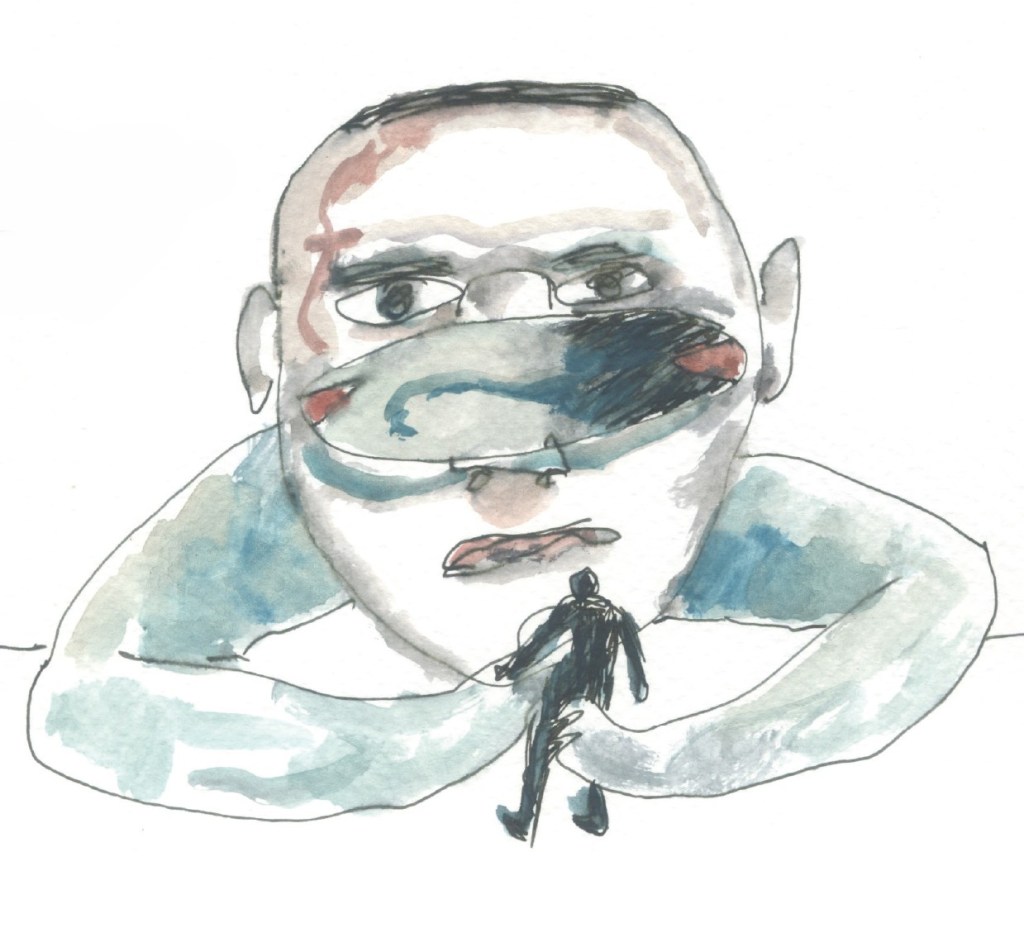
Permit, if you will, some context—
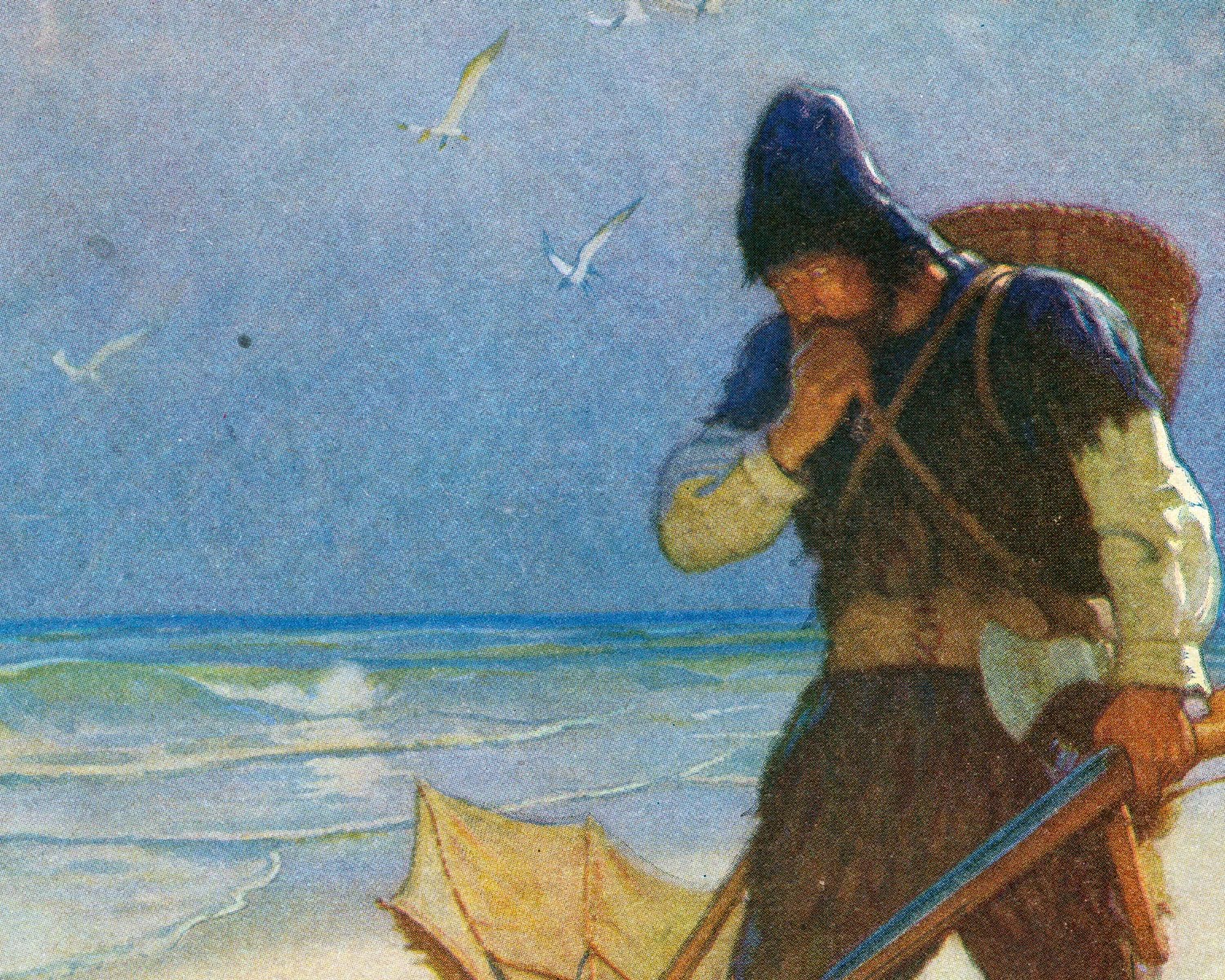
You were born in the year 1632 (OLD MAN!), in the city of York, of a good family, though not of that country, your father being a foreigner of Bremen who settled first at Hull. He got a good estate via the merchandise racket, and leaving off his trade, lived afterwards at York, from whence he had married your mother. You had two elder brothers, one of whom was lieutenant-colonel to an English regiment of foot in Flanders, formerly commanded by the famous Colonel Lockhart, and was killed at the battle near Dunkirk against the Spaniards.
What became of your second brother you never knew—at least no more than your father or mother know what became of you.
At an early age, your head began to fill with rambling thoughts. Your father had until then given you a competent share of learning, had designed you for the law. But against the commands of your father, against all entreaties and persuasions of your mother and friends, you would be satisfied with nothing but the sea. There seemed to be something fatal in the propensity of nature, tending directly to the life of misery which has and will continue to befall you. Wow that sentence.
Your father, wise and grave man, called you one morning into his chamber, where he was confined by the gout. He expostulated very warmly with you upon this subject. Purines=bad. Not too many oxalates, either, kid. Organ meat? No thanks! Then he asked you what reasons, more than a mere wandering inclination, you had for leaving a life of ease and pleasure. He told you that it was only men of desperate fortunes who went abroad upon adventures, and that you existed in a middle state, the upper station of low life, which he had found, by long experience, to be the best state in the world, the most suited to human happiness, not exposed to the miseries and hardships, the labour and sufferings of the mechanic part of mankind, and not embarrassed with the pride, luxury, ambition, and envy of the upper part of mankind. He bade you to observe that while the calamities of life were shared among the upper and lower part of mankind, the middle station had the fewest disasters; that peace and plenty were the handmaids of a middle fortune; that temperance, moderation, quietness, health, society, all agreeable diversions, and all desirable pleasures, were the blessings attending the middle station of life; that this way men went silently and smoothly through the world, and comfortably out of it. He pressed you earnestly, in most affectionate manner, not to play the young man. Tears ran down his face plentifully, especially when he spoke of your deceased brother, and even more so when the name of your vanished brother came to his lips—but then he was so moved that he broke off the discourse and told you that his heart was so full he could say no more to you.
If you tuned out your father some time ago, understandable, but it was by choice … right?
If you somehow did pay attention and now know yourself a fair measure more, go on, back to the boat … but do you recall where on the boat you were? Was it below-deck or above?

