The first mate slaps the parchment contract upon an old rum barrel and passes quill and inkpot. You sign without second thought….
He leads you into the hold, leaves you to your hammock, and for the moment you are alone—the rest of the crew is ashore, drinking the night away. It’d be nice to have a good book to read down here, but the light is so dim, and you are more tired than you realized, and the darkness plus the sway of your hammock with the slight rocking of the sea are the salve to the night’s long train ride that quickly curl you into sleep. Rest. Much awaits you.
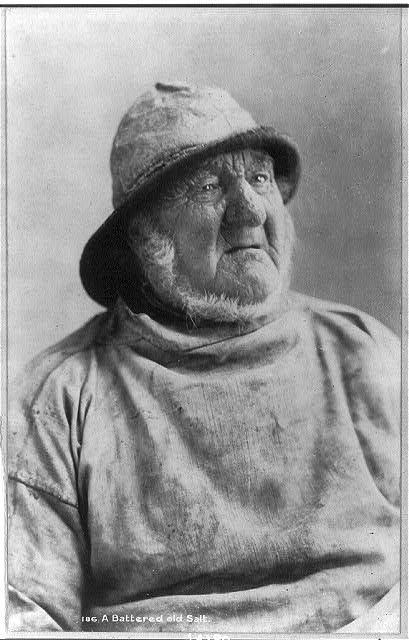
In the morning, crew back aboard if a little fumey for wear, the ship pulls anchor and works north. The Captain is nowhere to be seen, and the door to his quarters never opens. At aft, a cabin is constantly guarded by two ferocious sailors, their arms and necks swirling in black and blue inked tales of death. The crew is a scant group of roughnecks, strongmen with sure feet who know their way around a jib, when to duck the boom. With you they are neither friendly nor unfriendly. They have their own language, speaking words you don’t quite grasp. At some meals you eat near them but not with them; you sleep and you sail in much the same ways.
There is a loneliness to this. You feel the same imposter syndrome you always feel anymore.
This is another reason you like reading, how whenever you enter the pages of a story safely fixed between the covers, no one knows you’re there; like a tree falling in forest, how can anyone be an imposter without a witness? As this is no book, here you keep as much distance as you from the others, trying to allay the false feeling. Each twilight you go alone to the ship’s stern, eating two dusty oatcakes and fish jerky, drinking your day’s measure of rum. As the ship sails these northern seas, the coast remains a dark band on the silvery horizon. The air is tight and dry, and chunks of ice bob thickly, pointed like the tips of frozen arrowheads. The fourth day, as you watch the sun fall off the edge of the world, you realize you’ve lost sight of land.
After several more days the ship breaks through the cold waters, and the ice and icebergs all melt away as you roll into the bright Quito spring.

 home
home 